

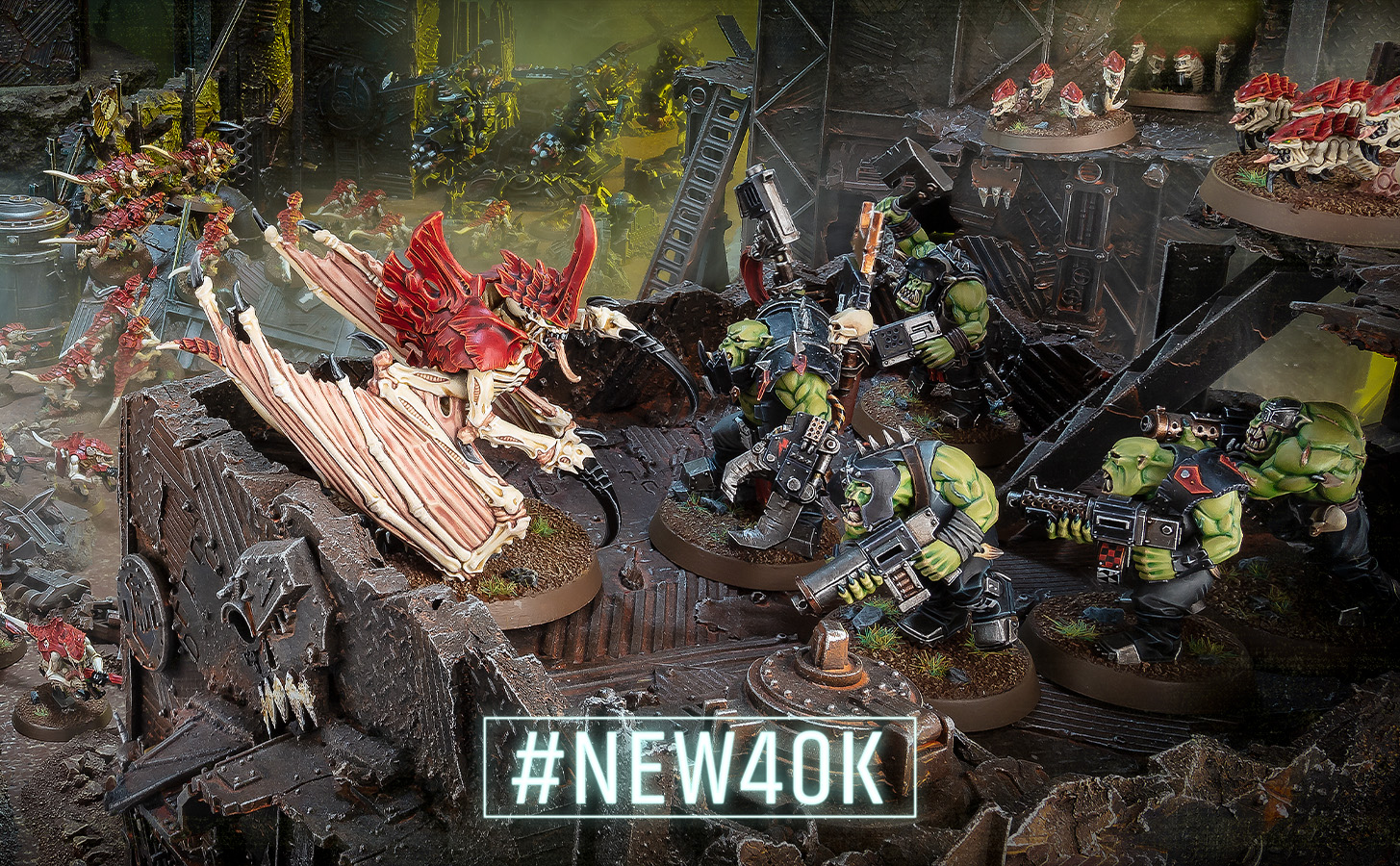
The Warhammer 40k terrain rules have been updated, offering players new strategies to leverage cover and gain a tactical edge. Whether you’re a seasoned veteran or a newcomer to the game, understanding these changes is crucial for optimizing your battlefield maneuvers. Let’s dive into the latest updates and explore how they can enhance your gaming experience.
Understanding the New Terrain Rules
The latest Warhammer 40k terrain rules introduce significant changes that affect how players interact with the battlefield. These updates aim to make the game more dynamic and strategic, encouraging players to think critically about their positioning and movements. The new rules emphasize the importance of cover, providing players with more options to protect their units and gain a tactical advantage.
One of the key changes is the introduction of different types of cover, each offering varying levels of protection. This means that players must carefully consider the terrain on the battlefield and plan their strategies accordingly. Additionally, the rules now include specific guidelines for measuring cover, ensuring consistency and fairness during gameplay.
Types of Cover in Warhammer 40k
In Warhammer 40k, cover comes in several forms, each providing different levels of protection. Understanding these types is essential for making informed decisions on the battlefield. The primary types of cover include:
Light Cover
Light cover offers minimal protection, reducing the damage your units take by a small amount. Examples of light cover include low walls, bushes, and shallow trenches. While not as effective as other types of cover, light cover can still be useful in certain situations, such as when you need to quickly move your units across the battlefield.
Heavy Cover
Heavy cover provides significant protection, reducing the damage your units take by a substantial amount. Examples of heavy cover include thick walls, large buildings, and deep trenches. Heavy cover is ideal for defending key positions on the battlefield and can be crucial for surviving enemy attacks.
Total Cover
Total cover offers the highest level of protection, making your units virtually immune to enemy fire. Examples of total cover include dense forests, underground tunnels, and heavily fortified bunkers. Total cover is rare and should be used strategically to protect your most valuable units.
Strategies for Maximizing Cover
To make the most of the new Warhammer 40k terrain rules, it’s important to develop strategies that maximize the use of cover. Here are some tips to help you gain a tactical edge:
Plan Your Movements
Before the game begins, take a moment to study the battlefield and identify potential cover points. Plan your movements accordingly, ensuring that your units have access to cover when needed. This will help you avoid exposing your units to enemy fire and increase your chances of survival.
Use Cover in Combination
Don’t rely on a single type of cover. Instead, use a combination of light, heavy, and total cover to create a layered defense. This approach will make it more difficult for your opponents to target your units and increase your overall protection.
Adapt to Changing Conditions
The battlefield is dynamic, and conditions can change rapidly. Be prepared to adapt your strategies as needed, moving your units to new cover points when necessary. This flexibility will help you stay one step ahead of your opponents and maintain a tactical advantage.
Common Mistakes to Avoid
While the new Warhammer 40k terrain rules offer exciting opportunities, there are also common mistakes that players should avoid. Here are some pitfalls to watch out for:
Overreliance on Cover
While cover is important, it’s not a substitute for good strategy. Relying too heavily on cover can make your units predictable and easy to target. Make sure to balance your use of cover with other tactical maneuvers to keep your opponents guessing.
Ignoring Enemy Movements
Focusing too much on your own cover can cause you to overlook your opponent’s movements. Always keep an eye on the enemy and be prepared to adjust your strategies accordingly. This will help you anticipate their actions and respond effectively.
Neglecting Unit Positioning
Proper unit positioning is crucial for maximizing the benefits of cover. Make sure your units are well-spaced and not clustered together, as this can make them vulnerable to area-of-effect attacks. Additionally, ensure that your units have clear lines of sight to their cover points, allowing them to quickly move into protection when needed.
FAQs About Warhammer 40k Terrain Rules
Have questions about the new Warhammer 40k terrain rules? Here are some frequently asked questions to help clarify any confusion:
How do I measure cover?
To measure cover, use a ruler or measuring tape to determine the distance between your unit and the cover point. The rules provide specific guidelines for measuring cover, ensuring consistency and fairness during gameplay. Make sure to follow these guidelines to avoid disputes with your opponents.
Can I use multiple types of cover simultaneously?
Yes, you can use multiple types of cover simultaneously to create a layered defense. This approach will make it more difficult for your opponents to target your units and increase your overall protection. Just make sure to follow the rules for measuring cover and ensure that your units have clear lines of sight to their cover points.
What happens if my unit loses cover?
If your unit loses cover, it becomes vulnerable to enemy fire. Make sure to plan your movements carefully and be prepared to move your units to new cover points when necessary. This flexibility will help you stay one step ahead of your opponents and maintain a tactical advantage.
Original source: Warhammer-community.com




Leave a Reply