

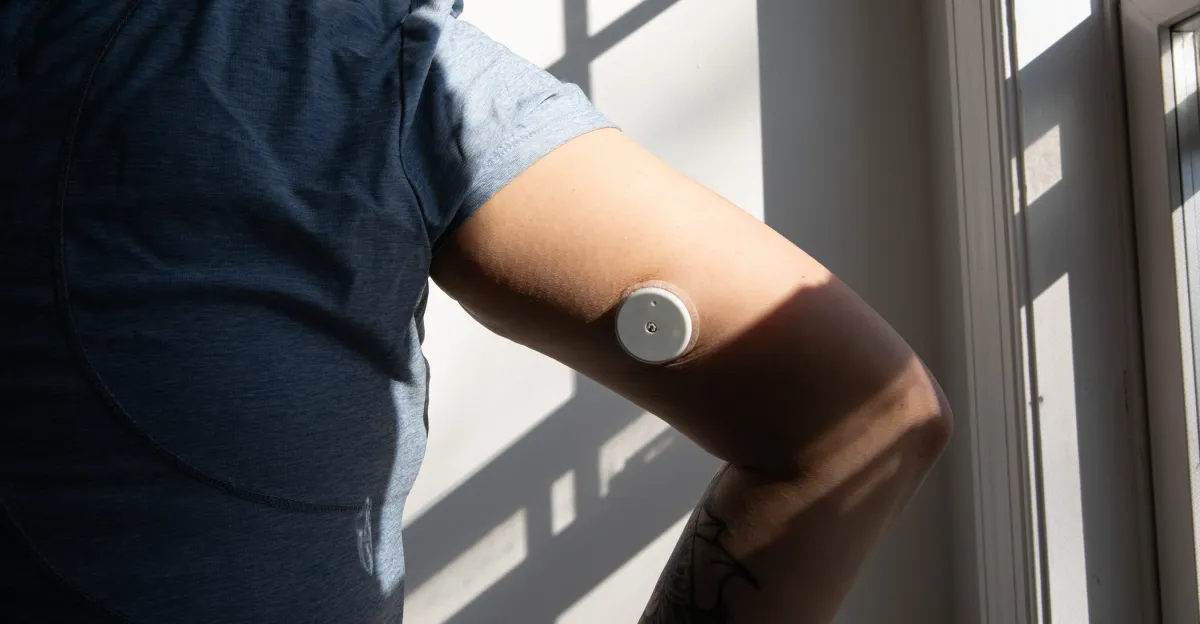
Continuous glucose monitoring (CGM) has become a game-changer in health tech, offering real-time insights into glucose levels beyond traditional finger-stick tests. But what’s it like living with these devices for an extended period? This year-long journey with CGMs revealed both their benefits and drawbacks.

The Rise of Continuous Glucose Monitoring
Over the past decade, continuous glucose monitoring has evolved significantly. Initially, these devices were exclusively for diabetics, providing a way to monitor blood sugar levels continuously. Today, CGMs are available over the counter and are being adopted by a broader audience, including athletes, wellness enthusiasts, and those with prediabetes.
Unlike traditional finger-stick tests, CGMs measure glucose levels in the interstitial fluid, offering a more comprehensive view of glucose trends. This technology has been a boon for managing diabetes, but its potential benefits for non-diabetics are still a topic of debate.
A Year with Continuous Glucose Monitoring
Living with continuous glucose monitoring devices for a year was an eye-opening experience. The process of applying the sensors became routine, but the data they provided was anything but ordinary. Initially, I was intrigued by the promise of optimizing my metabolic health. As a non-diabetic with a family history of Type 2 diabetes and polycystic ovary syndrome (PCOS), I hoped these devices could offer insights into my health.

The journey began with the Dexcom Stelo and Abbott Lingo, two popular over-the-counter CGMs. The application process was surprisingly painless, and the devices started transmitting data immediately. However, the real challenge lay in interpreting this data. I found myself spending countless hours reading studies, consulting with researchers, and even visiting multiple doctors to make sense of the readings.
The Daily Routine
My daily routine revolved around checking glucose levels, adjusting my diet, and monitoring how different activities affected my metabolic health. The constant monitoring was both enlightening and exhausting. I discovered that high altitudes, for instance, could impact glucose readings, and I had to adjust my expectations accordingly.
One of the most surprising aspects was the psychological impact of continuous glucose monitoring. The constant awareness of my glucose levels led to increased anxiety. I found myself overanalyzing every meal and workout, wondering how it would affect my readings. This constant vigilance took a toll on my mental health, making me question the true benefits of these devices for non-diabetics.
Beyond Diabetes: The Broader Appeal
While the benefits of continuous glucose monitoring for diabetics are clear, the appeal for non-diabetics is more nuanced. The American Diabetes Association reports that a significant portion of the U.S. population may benefit from glucose monitoring, including those with prediabetes and Type 2 diabetes. However, the evidence for non-diabetics is less conclusive, with some experts questioning its utility.
Despite this, the trend of using CGMs for non-diabetic health optimization is growing. Companies like January AI and Oura have integrated continuous glucose monitoring into their health and wellness platforms, offering users a more comprehensive view of their metabolic health. This trend is backed by high-profile endorsements, such as Health Secretary RFK Jr.’s push for widespread CGM use and Casey Means’ advocacy in her book “Good Energy”
The Role of Government and Industry
The government and industry are playing a significant role in promoting continuous glucose monitoring. Health initiatives and partnerships between CGM manufacturers and wellness companies are driving this trend. However, it’s essential to approach these technologies with a critical eye, considering both their potential benefits and the lack of conclusive evidence for non-diabetics.
For those with prediabetes or Type 2 diabetes, CGMs can be a powerful tool for managing their condition and making lifestyle changes. However, for non-diabetics, the benefits are less clear. It’s crucial to weigh the potential gains against the psychological and financial costs of continuous monitoring.
The Future of Continuous Glucose Monitoring
The future of continuous glucose monitoring looks promising, with advancements in technology and increasing awareness of metabolic health. As more people adopt these devices, we can expect to see further innovations and a better understanding of their benefits and limitations. However, it’s essential to approach this technology with a balanced perspective, considering both its potential and its drawbacks.
In conclusion, my year-long journey with continuous glucose monitoring was a mix of insights and challenges. While these devices offer valuable data, they also come with psychological and practical considerations. As the technology continues to evolve, it’s crucial to stay informed and make decisions based on individual health needs and evidence-based research.
For those considering continuous glucose monitoring, it’s essential to weigh the benefits against the costs and consult with healthcare professionals. The technology offers a unique opportunity to gain insights into metabolic health, but it’s not a one-size-fits-all solution. Stay informed, stay healthy, and make choices that best suit your individual needs.
This article is based on the original piece from The Verge. For more detailed information, you can explore The Verge’s comprehensive analysis.


Original source: The Verge



Leave a Reply